
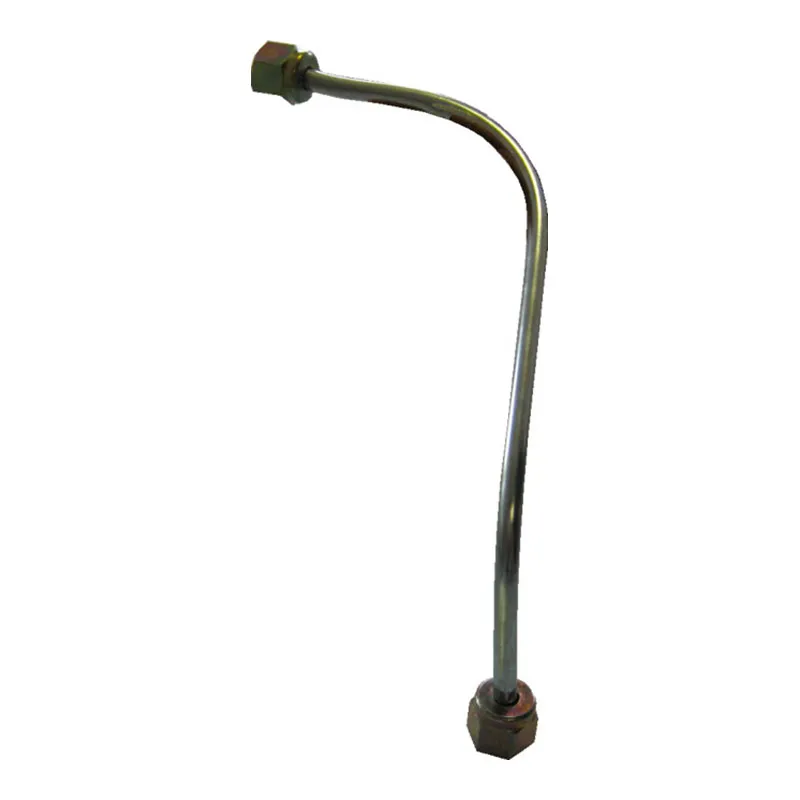
Description
There’s nothing more frustrating than that telltale diesel smell in the cab and black smoke rolling out the exhaust when you’re trying to get work done. A cracked or leaking number 2 injector pipe doesn’t just waste expensive diesel – it creates a fire hazard and robs your Dexta of the smooth-running power it’s known for. This precision-bent replacement fuel line restores proper fuel delivery to your second cylinder, eliminating that annoying miss, black smoke, and diesel smell that’s been following you around the field.
What You’re Getting
- Exact replacement for 1957-1962 Dexta and Super Dexta models – fits right where your old line used to go
- Precision-formed steel tubing matches original routing perfectly so you don’t have to worry about clearance issues
- Proper wall thickness handles injection pressures without fatigue – built to handle the high-pressure demands
- Pre-formed ends ensure leak-free connections at pump and injector for a tight seal that actually works
- Cylinder number 2 specific design – while you have access, inspect all three injector lines since they’re the same age and endure the same conditions
Built for Real Farm Work
Your Fordson Dexta’s 3-cylinder diesel engine might seem simple compared to modern tractors, but that Perkins engine demands precise fuel delivery to each cylinder. These 35-45 HP tractors are still favorites for smaller farms, market gardens, and anyone who appreciates reliable, mechanical simplicity. Whether you’re running a bush hog, pulling a hay tedder, or hauling manure, these little workhorses need all three cylinders firing smoothly to get the job done.
Made to Last
The high-pressure fuel system (over 2000 PSI) turns even a tiny crack into a spray of diesel fuel right onto hot engine parts. This replacement line uses the same heavy-wall steel tubing as the original, capable of handling extreme injection pressures without work-hardening and cracking. The bends are precisely formed to match factory routing – critical because incorrect angles cause stress points that lead to premature failure.
Installation Tips
First, clean around all connections thoroughly – any dirt entering the system causes expensive damage. Mark the pump end position before removal; these lines are timed to deliver fuel at precisely the right moment. Use two wrenches when loosening – one to hold the injector or pump fitting, one to turn the line nut to prevent internal damage from twisting. Always use new copper sealing washers; reusing old ones almost guarantees leaks. A quick tip: if one line failed, the others aren’t far behind, so having spares on hand saves you from getting stuck in the field again.
Reviews
There are no reviews yet.