
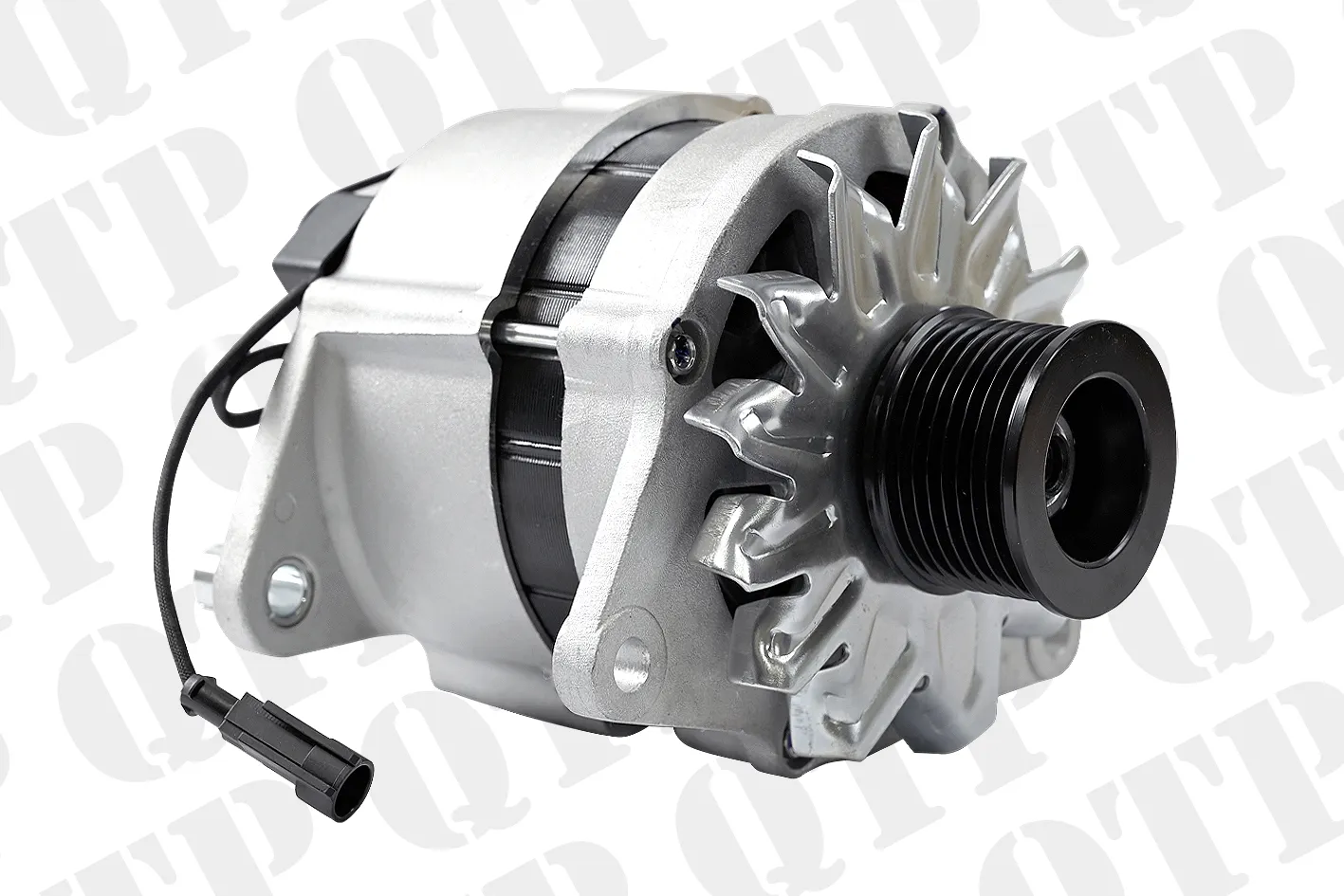
Description
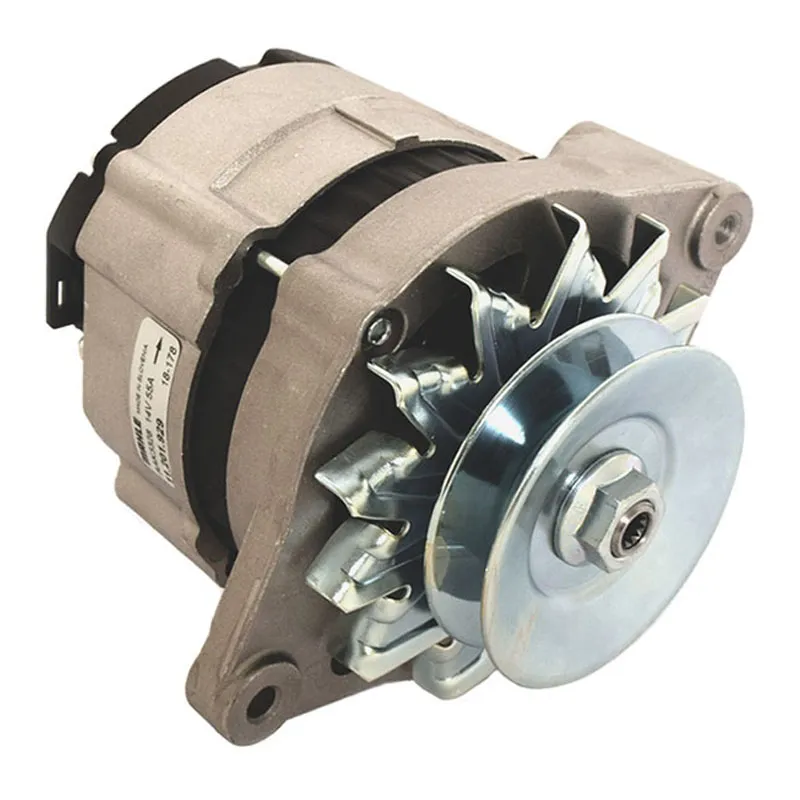
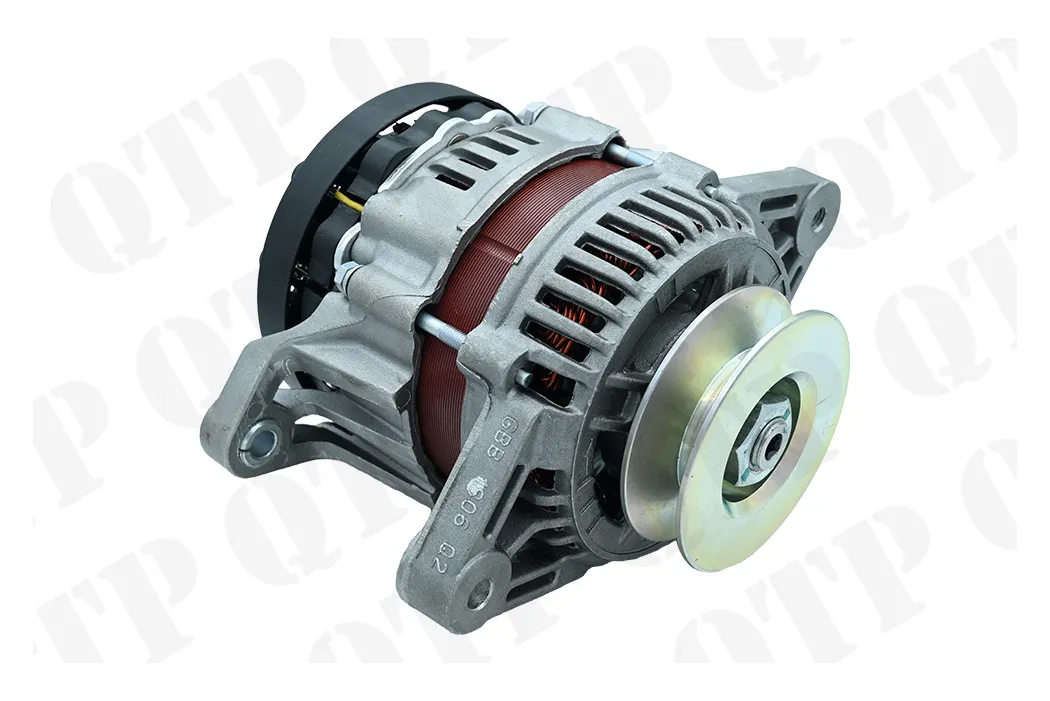
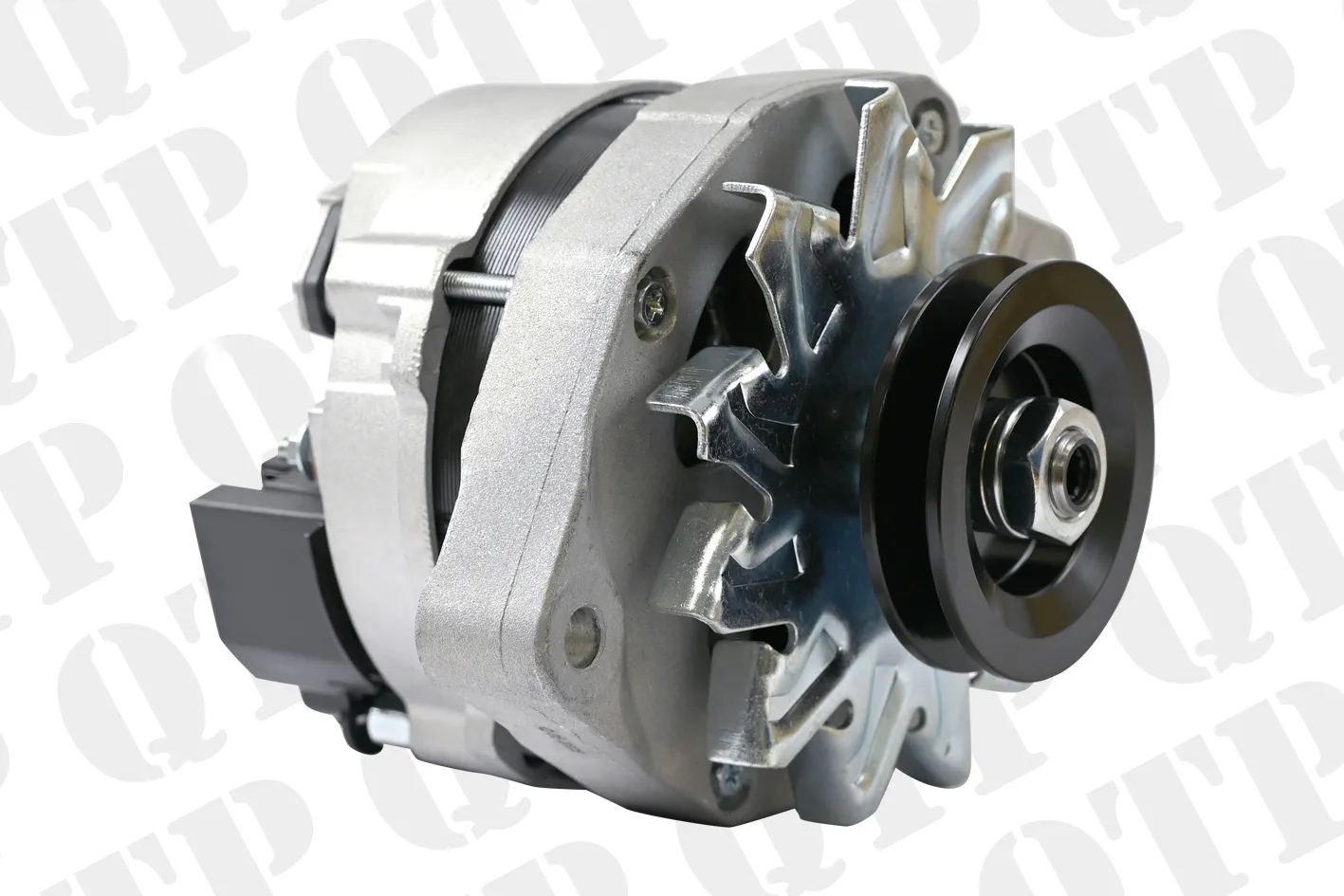
When you’re putting in long hours and your tractor’s working hard, the last thing you need is electrical problems slowing you down. A failing alternator shows its colors fast—dim headlights during evening field work, slow cranking on cold mornings, or that dreaded dead battery just when you’ve got hay to cut. This MAHLE Letrika 120-amp alternator delivers the reliable charging power your tractor needs to keep all your electrical systems running strong, from LED work lights to hydraulic controls.
What You’re Getting
- 120-amp output provides plenty of power for modern electrical accessories and implements
- MAHLE quality engineering specifically designed for agricultural use, not a rebadged generic unit
- Internal voltage regulator maintains steady charging even when engine RPM varies
- Dust and moisture sealed construction handles tough farm conditions without premature failure
- Quality bearings designed to handle V-belt tension without wearing out
Built for Real Farm Work
This alternator fits a wide range of working tractors including Case JXU models that are honest working machines designed for hay tedders, feed mixers, and loader work, New Holland T4000 and T5000 series utility tractors, TLA series mid-range machines, and Steyr Kompakt models. Whether you’re running a planter in the spring, cutting hay all summer, or doing loader work through the winter, this 120-amp alternator keeps your electrical system charged up and running strong.
Made to Last
MAHLE doesn’t just rebadge generic alternators—they engineer them specifically for agricultural use with quality bearings that handle V-belt tension without premature wear. The internal voltage regulator maintains steady charging voltage even when engine RPM varies, protecting your battery and electrical components from overcharging or voltage spikes.
Installation Notes
Before installation, check why your old alternator failed—worn belts, corroded connections, or a bad battery can kill alternators prematurely. Clean the mounting area and check belt alignment since misalignment causes belt wear and bearing problems. Make sure to disconnect your battery before starting work for safety, and check your belt condition and tension while you’re replacing the alternator.
Reviews
There are no reviews yet.