
Description
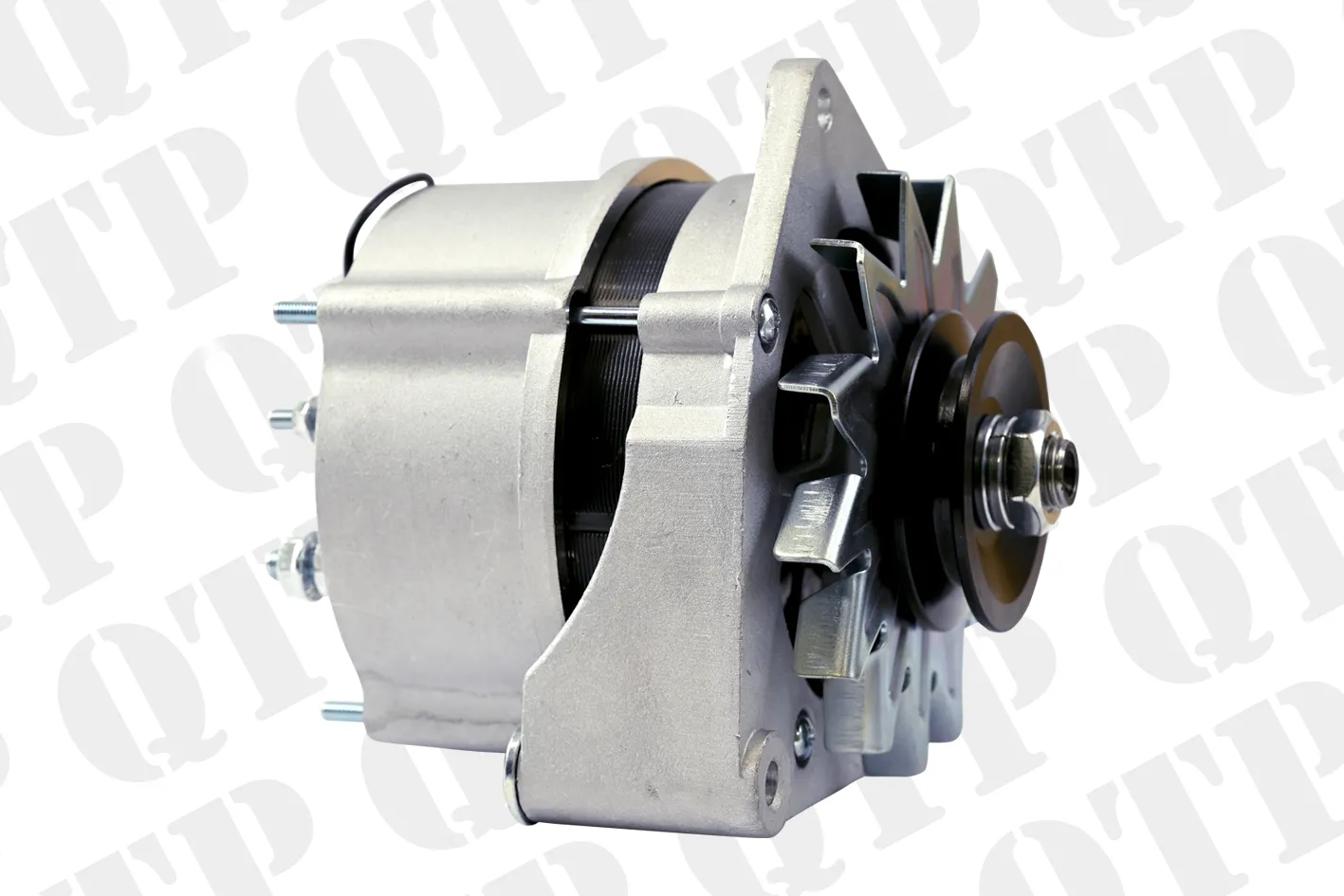
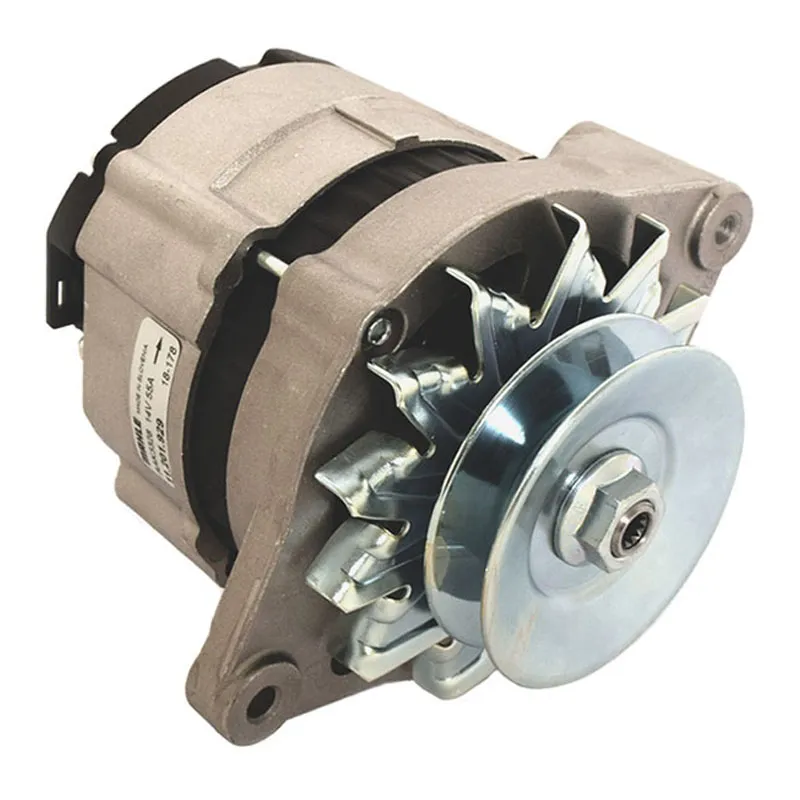
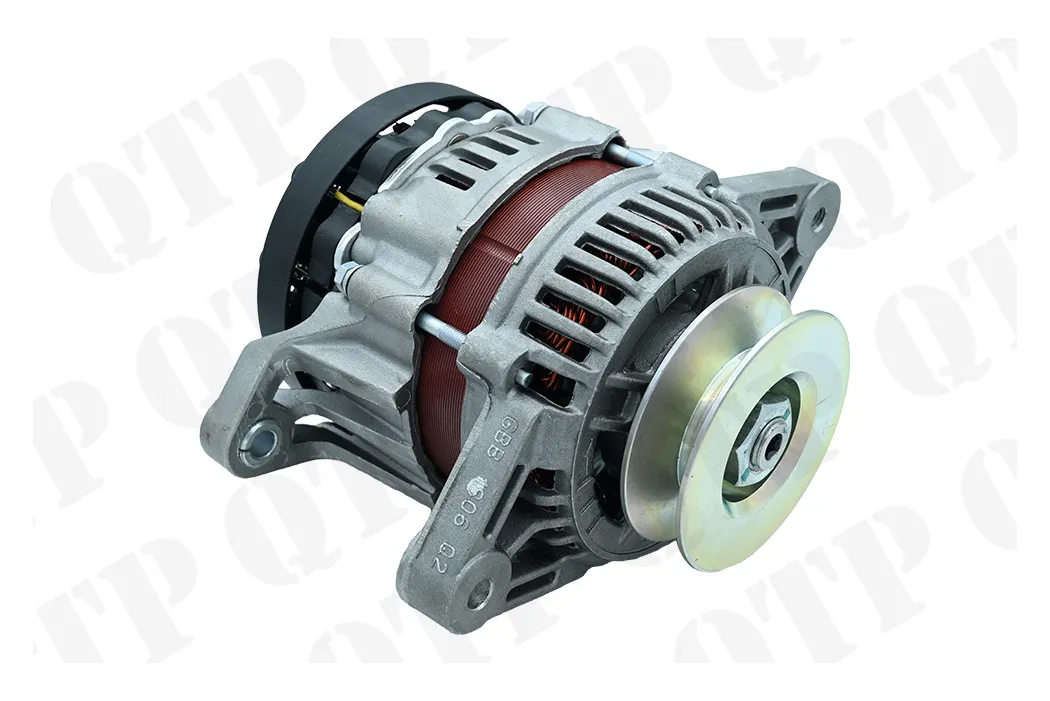
When your cab lights start dimming during late-night harvest runs and the battery warning light starts glowing on the dash, you know it’s time to replace that failing alternator. This 95-amp unit delivers the steady 14-volt power your Deutz or Fendt needs to keep all those electrical systems running strong, from hydraulic controls to GPS guidance. You don’t need to wonder if your charging system can handle another long day—this alternator’s built to keep up with whatever work you throw at it.
What You’re Getting
- Solid 95-amp output that handles modern electrical demands without breaking a sweat
- 14-volt design engineered specifically for European tractor electrical systems
- Robust construction with sealed bearings that stand up to field dust and vibration
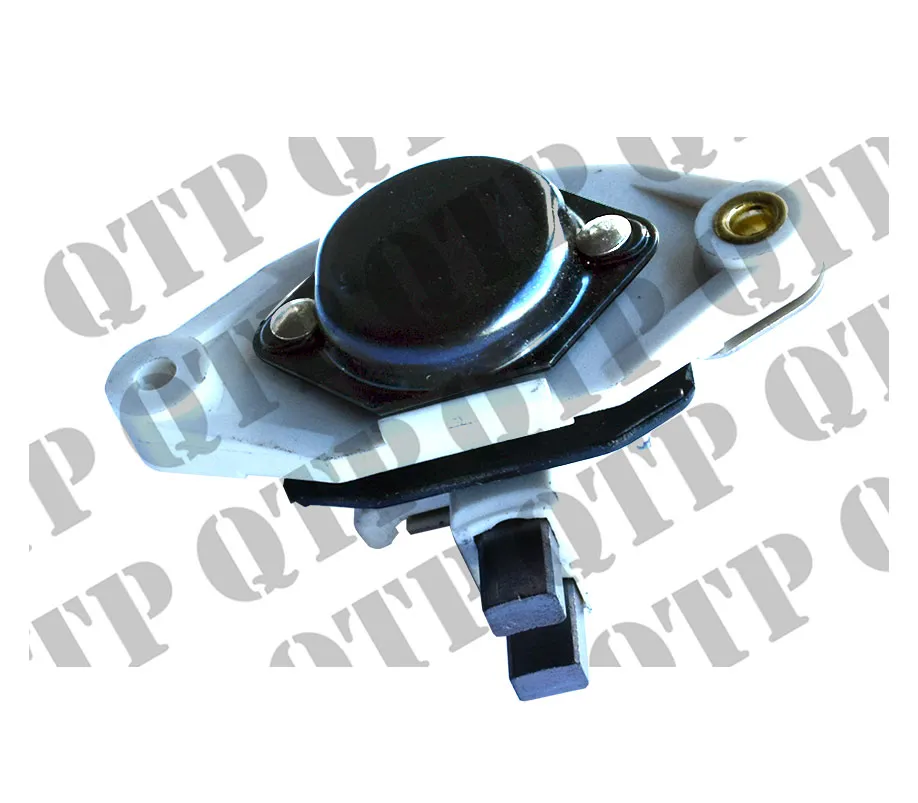
- Internal voltage regulator eliminates external regulator problems and simplifies wiring
- Direct replacement design installs with factory mounting points and connections
Built for Real Farm Work
This alternator fits the workhorse tractors that keep farms running across the country. Your Deutz Agrotron handles everything from heavy tillage to precision planting, while those Agrofarm and Agroplus models excel at loader work, mowing, and daily chores. Fendt Farmer tractors are known for their reliability in hay operations and livestock feeding. All of these machines depend on steady electrical power to operate hydraulics, lighting, and computerized controls that make modern farming possible.
Made to Last
Farm equipment electrical systems take a beating from dust, moisture, temperature swings, and constant vibration. This alternator uses heavy-duty bearings rated for agricultural service and features a sealed case that keeps contaminants out. The internal components are built to handle the demands of diesel engines that run at varying RPMs, delivering consistent charging whether you’re idling through a gate or running full throttle in the field.
Good to Know
Always disconnect the battery before starting the replacement to prevent shorts. Take a photo of your belt routing before removal, clean all electrical connections with contact cleaner, and check belt condition while you’ve got everything apart. Set proper belt tension according to specs and check charging voltage after installation to make sure everything’s working right. Most farmers can handle this swap with basic tools in about an hour.

Reviews
There are no reviews yet.