
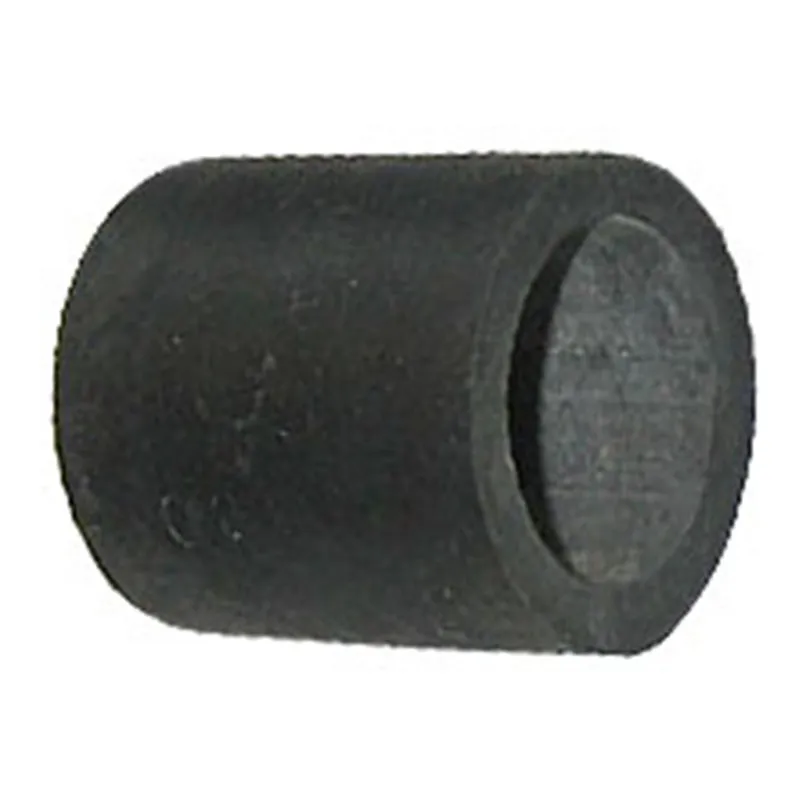
Description
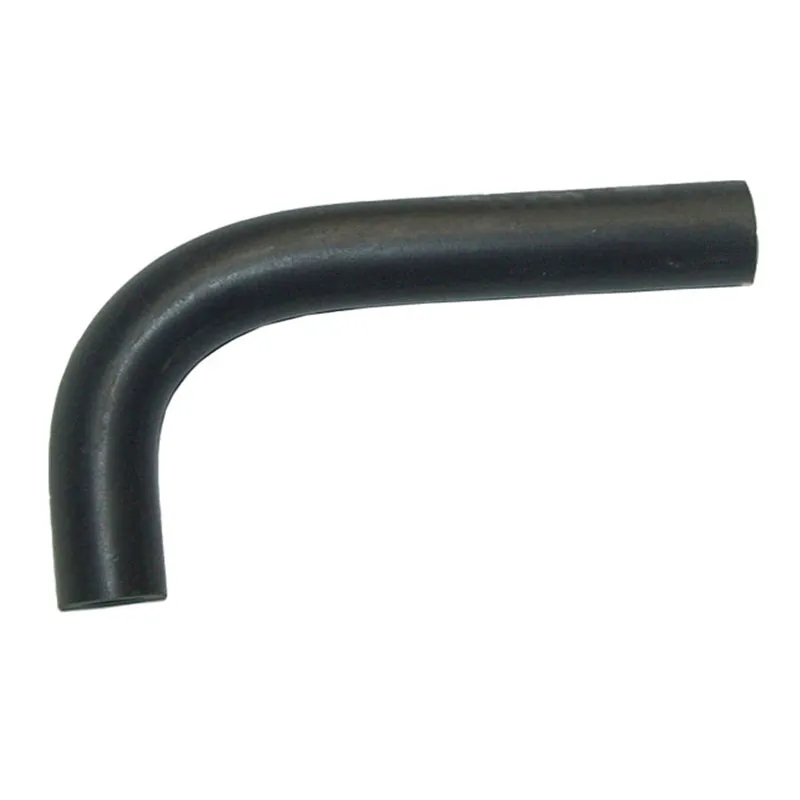
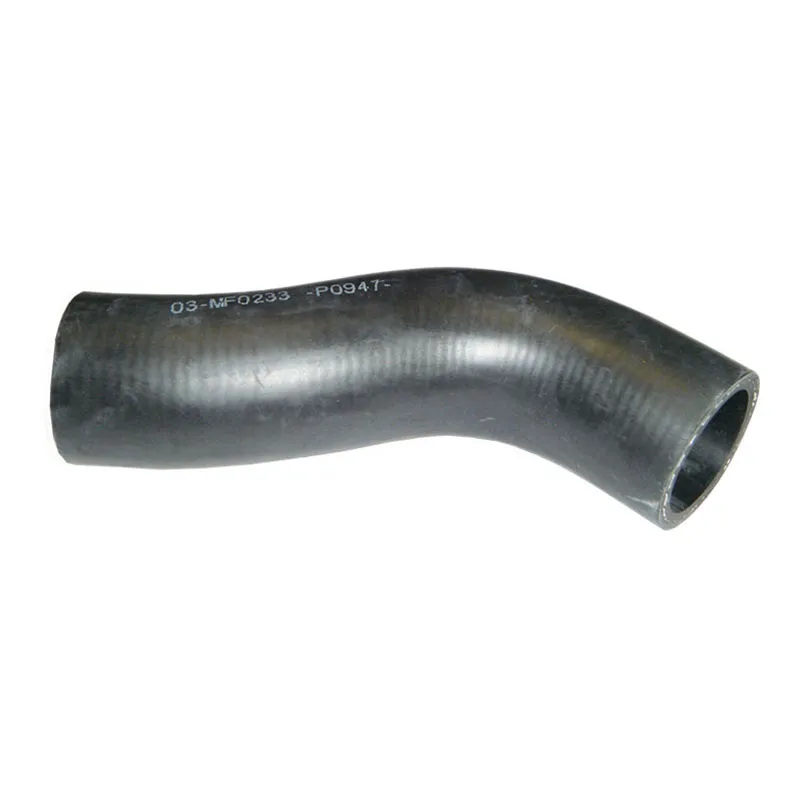
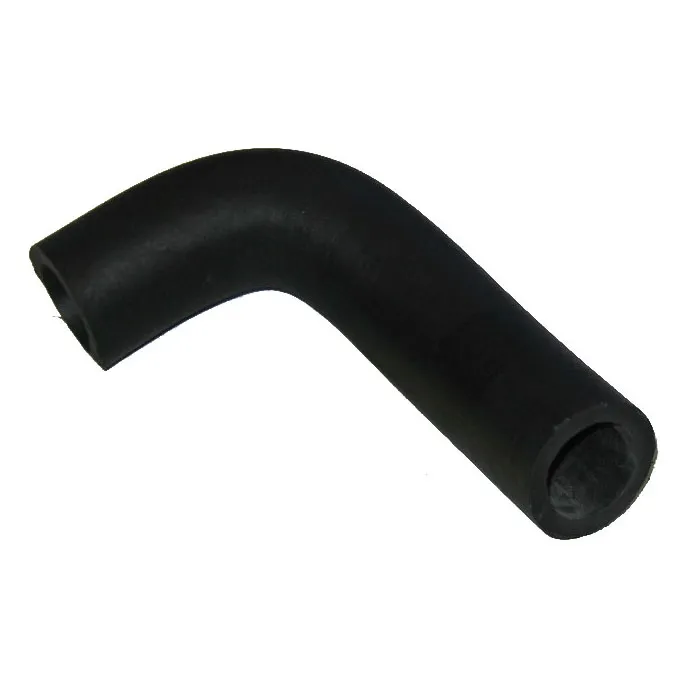
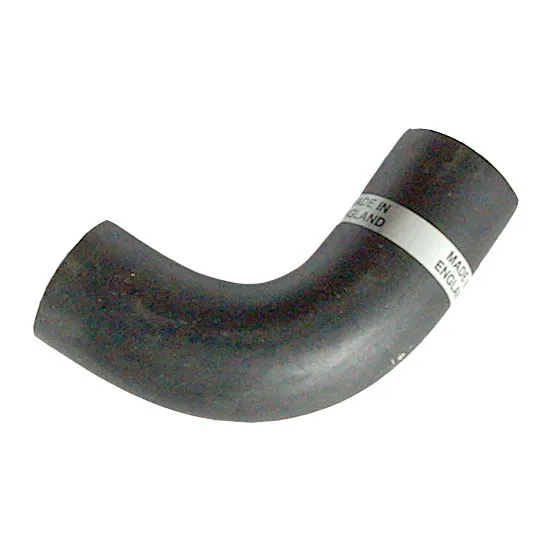
There’s nothing quite as frustrating as a coolant hose letting you down in the middle of harvest or when you’re pushing through spring planting. This small bypass hose might look insignificant, but when it fails, your cooling system loses its balance fast. If you’ve noticed your temperature gauge acting erratic or found mysterious coolant puddles under your tractor, this affordable replacement could save you from a seized engine and thousands in repair bills.
What You’re Getting
- Exact replacement that routes coolant properly around your thermostat when cold
- Heat-resistant rubber compound built to handle diesel engine temperatures
- Reinforced construction that won’t collapse under vacuum conditions like cheap alternatives
- Correct diameter and length for proper flow – no kinks or restrictions
- Direct fit for Perkins 4.203 and A4.192 engines in your MF tractor
Built for Real Farm Work
Your Perkins engine’s bypass system is brilliant in its simplicity – it helps your engine warm up faster on frosty mornings and maintains steady circulation that prevents hot spots. Whether you’re running a loader all winter with your MF 165 or pulling hay equipment through summer heat with your 155, this bypass hose keeps temperatures predictable. When it fails, you’ll see wild gauge swings or notice your engine takes forever to reach operating temperature.
Made to Last
These Perkins engines are known for running forever with basic care, but their cooling hoses take serious punishment. This bypass hose sits right in the heat, constantly flexing with engine movement and dealing with pressure changes. The replacement uses modern rubber compounds that resist the hardening and cracking that killed your original hose. Quality construction ensures it won’t go soft and collapse when your engine creates vacuum during cool-down.
Installation Notes
This is typically a 20-minute fix that could prevent major engine damage. The hose usually runs from your water pump area to the thermostat housing. Remove the old one carefully – they often stick after years of heat cycles. A tip from the shop: dip the new hose ends in hot water to soften them slightly for easier installation, and use new clamps if your old ones are rusty.
Reviews
There are no reviews yet.