
Description
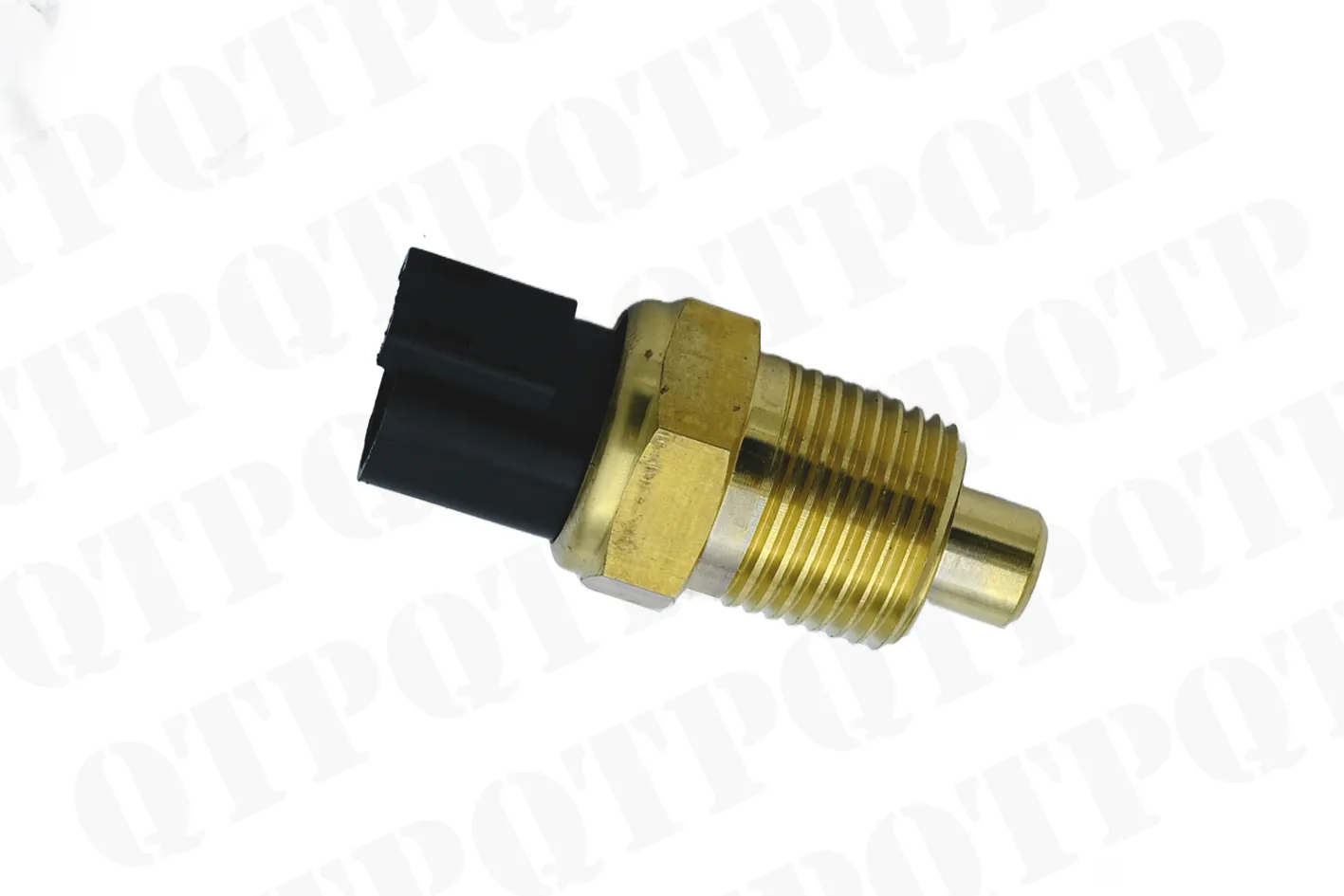
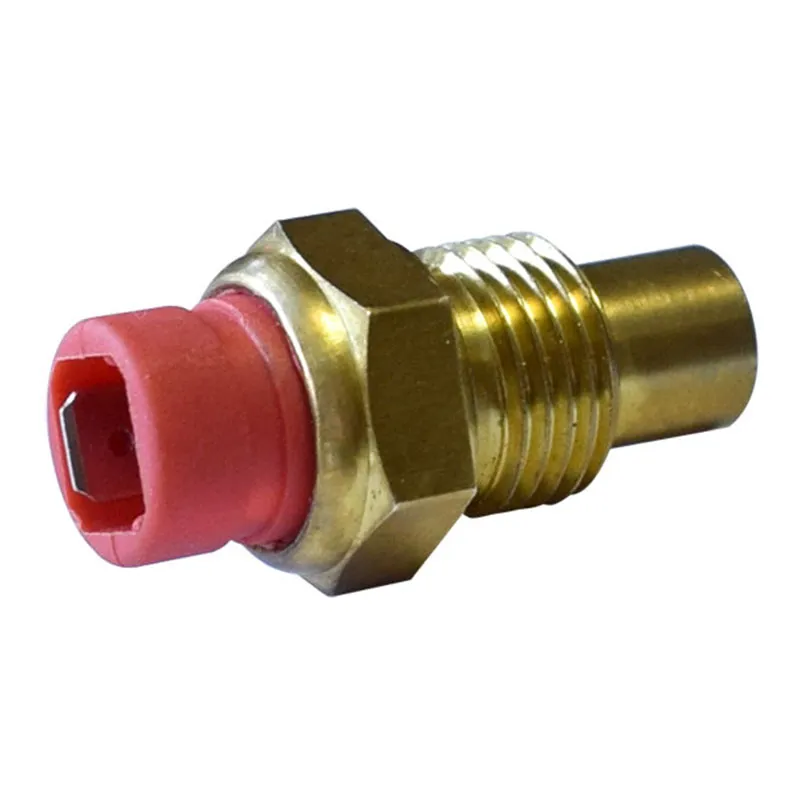
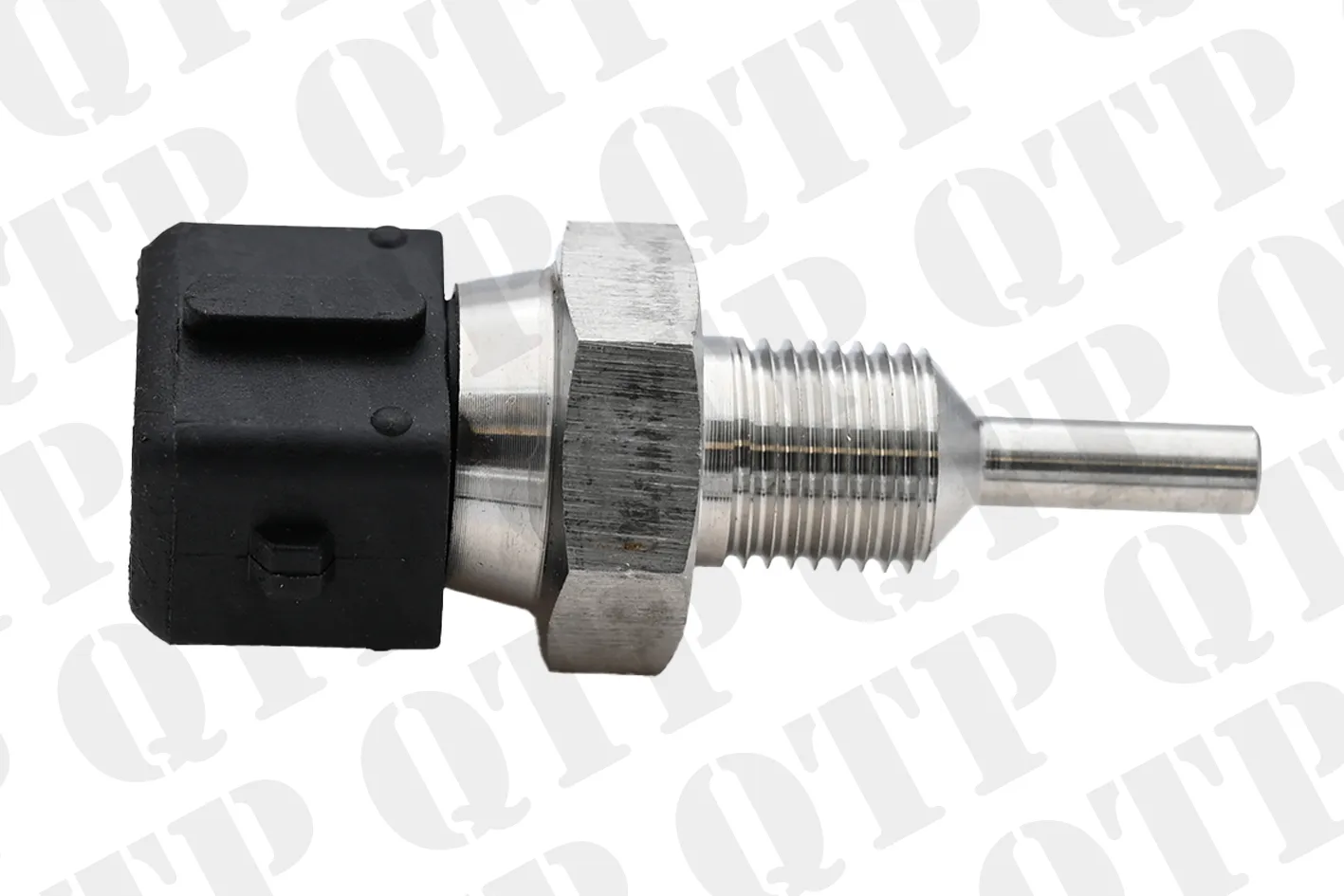
When your temperature gauge starts acting strange—reading cold when the engine’s hot, bouncing around unpredictably, or just sitting there doing nothing at all—chances are this little temperature sender is the problem. It’s the part that tells your gauge what’s really happening with your coolant temperature, and when it goes bad, you’re flying blind on one of your engine’s most critical measurements. This replacement sender gets your temperature monitoring back on track so you can catch problems before they turn expensive.
What You’re Getting
- Direct replacement that interfaces seamlessly with your existing temperature gauge system
- Precision-calibrated sensing element that provides accurate readings throughout the engine’s operating range
- Durable construction designed to handle temperature extremes and constant engine vibration
- Reliable electrical connections that resist corrosion from coolant exposure and farm conditions
- Proper thread pitch that seals tight without overtightening
Built for Real Farm Work
This sender is designed for McCormick CX Series tractors, reliable workhorses that handle everything from hay production and livestock work to cultivation and loader operations. When you’re pushing these machines hard through long days or demanding conditions, accurate temperature monitoring is critical for preventing overheating damage that can cost thousands in repairs.
Made to Last
This sender is built to handle what farm life throws at it—temperature swings from winter startups to summer heat, constant vibration from field work, and exposure to coolant additives that can corrode lesser parts. The calibrated sensing element gives you consistent, accurate readings so you’ll know immediately if something’s not right under the hood.
Installation Notes
Installation is straightforward—thread it into the engine block where the old one came out, but you’ll need to drain some coolant first to avoid a mess. Use thread sealant to prevent leaks, but don’t overdo it since excess sealant can throw off the readings. If your gauge still acts up after replacement, check the wiring connections and ground—a bad sender and faulty wiring can cause similar symptoms.
Reviews
There are no reviews yet.