
Description
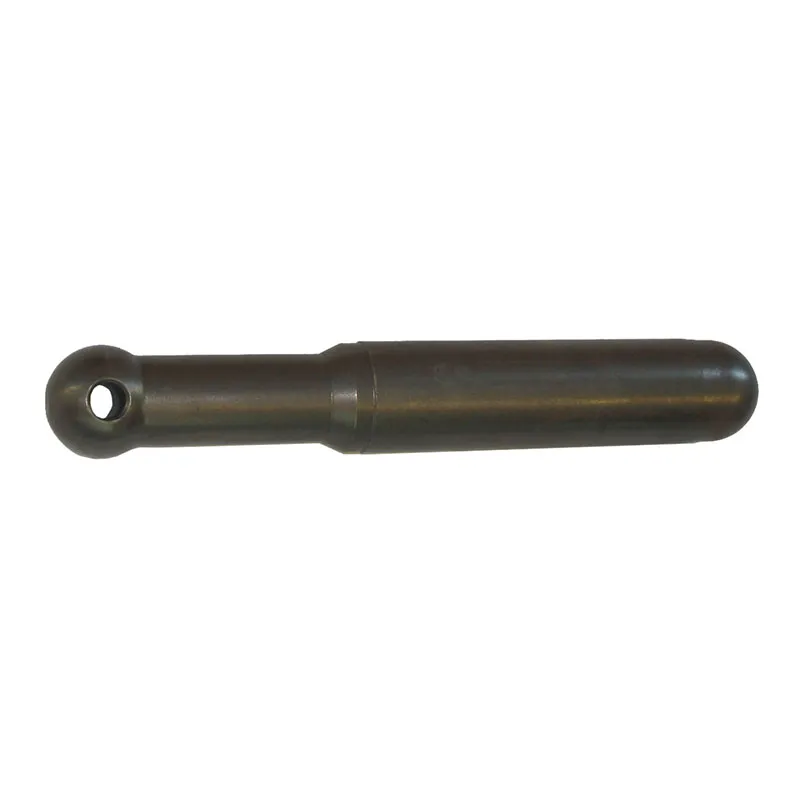
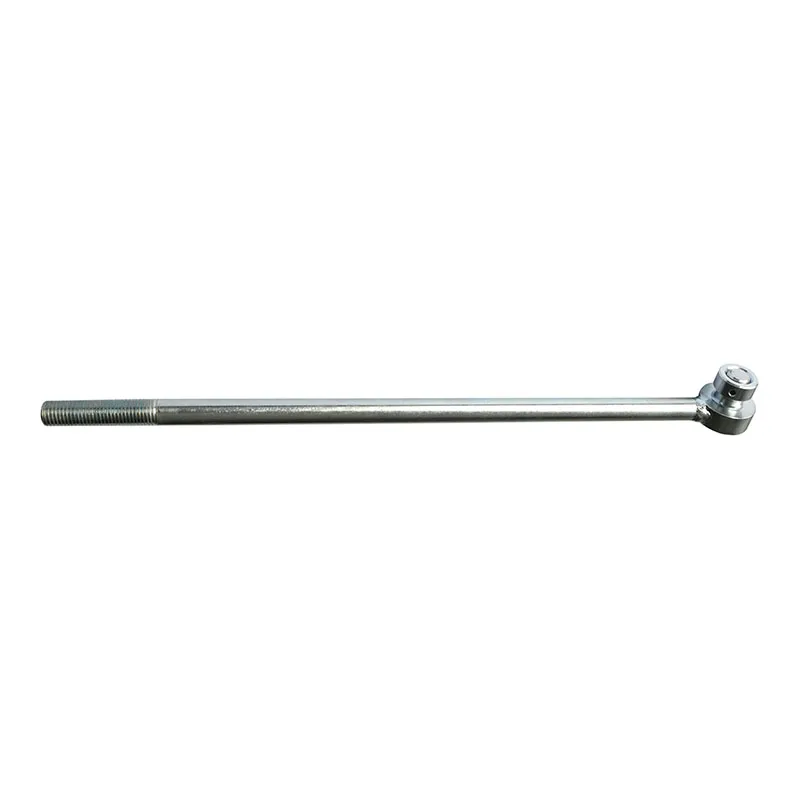
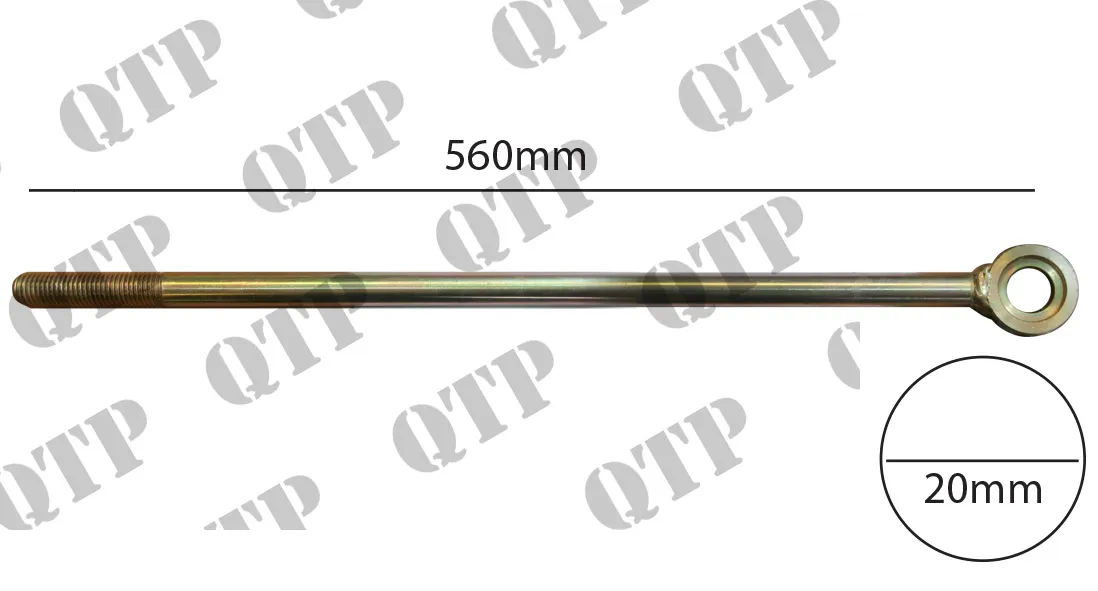
There’s nothing more frustrating than a three-point hitch that won’t lift your implements properly when it’s time to get to work. When your lift system starts moving sluggishly or you notice your piston rod is scored or bent, this hydraulic lift rod gets your tractor’s hydraulic system back to reliable operation. It’s the sturdy connection between your hydraulic cylinder and the lift mechanism that raises and lowers everything from cultivators to bush hogs.
What You’re Getting
- Precision-manufactured to exact specifications for proper fit and smooth hydraulic response
- Heavy-duty construction built to handle the constant pressure changes and load cycles of three-point operation
- Direct replacement that fits right in place without modifications or adapters needed
- Quality materials that resist scoring and corrosion from hydraulic fluid exposure
Built for Real Farm Work
This hydraulic lift rod fits Massey Ferguson 200 series (230, 240, 243, 250, 253, 263, 265, 275, 285, 290) and 300 series (342, 350, 352, 355, 360, 362, 365, 372, 375, 382, 390, 390T, 396, 398, 399) tractors. These are the workhorses you see handling everything from heavy tillage and planting to hay operations and loader work. Whether you’re setting cultivator depth for different soil conditions or raising a heavy rotary cutter for transport, this rod ensures your lift system responds consistently.
Made to Last
The robust construction ensures long service life even under demanding conditions, while the precise dimensions maintain optimal lifting speed and control response. Proper cylinder function is critical for safe implement operation, preventing sudden drops that could damage equipment or create safety hazards. This isn’t a rebuilt part with unknown history – it’s manufactured to handle daily farm work and the pressure spikes that come with heavy implement lifting.
Installation Notes
Installation requires proper hydraulic system depressurization before starting work. Most operators can handle this job with basic tools, but take your time bleeding air from the system afterward to ensure smooth operation. Installation requires proper hydraulic system depressurization and should be performed with appropriate safety equipment and procedures. A good tip is to cycle the lift system several times after installation to check for any binding or unusual noises.
Reviews
There are no reviews yet.