
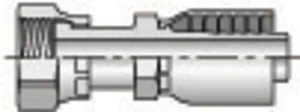
Description
When you’re building a hydraulic hose for your loader or high-flow hydraulic system, the last thing you want is a leak at the connection. This ORFS female fitting gives you that solid, leak-proof connection that’ll handle the high pressure and flow rates your equipment demands. The swivel design means you can position your hose exactly where it needs to go without twisting or kinking.
What You’re Getting
- ORFS (O-Ring Face Seal) design eliminates the need for thread sealant and provides a positive seal every time
- Swivel connection lets your hose move naturally with the equipment without binding up
- Precision-machined female threads for a secure fit with male ORFS fittings
- Heavy-duty construction built to handle the high pressures and flows of modern hydraulic systems
- Crimp-on design ensures a permanent, reliable connection to your hydraulic hose
Built for Big Hydraulic Jobs
This 1-1/2 inch fitting is sized for the serious hydraulic work—think high-flow loader circuits, log splitters, or heavy-duty implement hydraulics. When you need to move a lot of oil quickly and reliably, this is the fitting that gets the job done. The ORFS connection is standard on many newer tractors and implements, so you’ll find this fitting useful for everything from loader valve connections to remote hydraulic hookups.
Made to Last
ORFS fittings are the gold standard for hydraulic connections because they seal with an O-ring against a flat face rather than relying on tapered threads. That means consistent sealing pressure and no chance of over-tightening and cracking the fitting. The swivel feature reduces stress on both the fitting and your hose, which means longer service life and fewer failures when you’re in the middle of a big job.
Installation Notes
This is a crimp-on fitting, so you’ll need proper crimping equipment and the right die size for your 1-1/2 inch hose. Make sure your hose is cut square and clean before crimping—any burrs or uneven cuts can compromise the seal. When connecting to the mating fitting, hand-tighten until the O-ring contacts the sealing surface, then turn an additional 1/6 to 1/4 turn for proper seal compression.
Reviews
There are no reviews yet.