
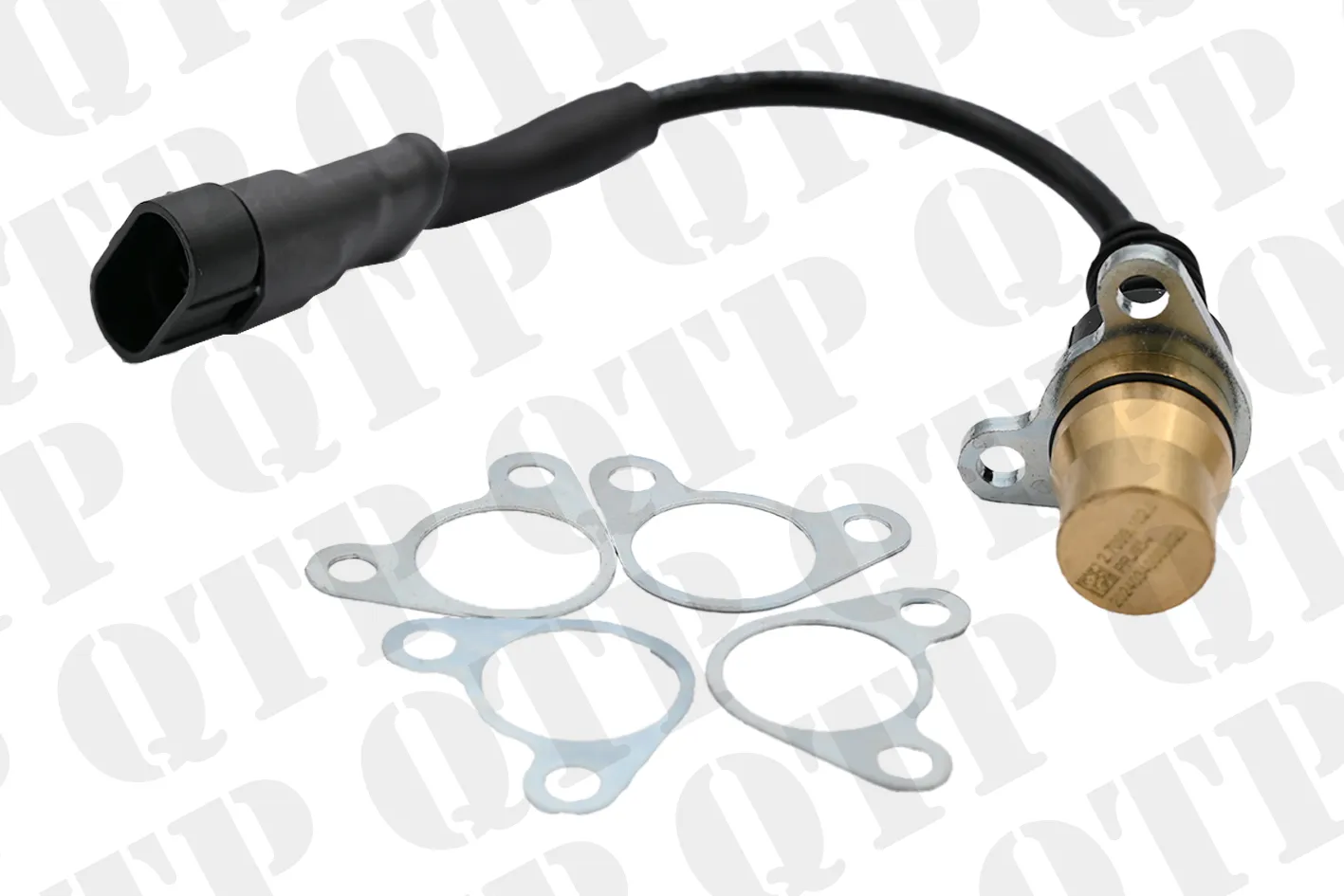
Description
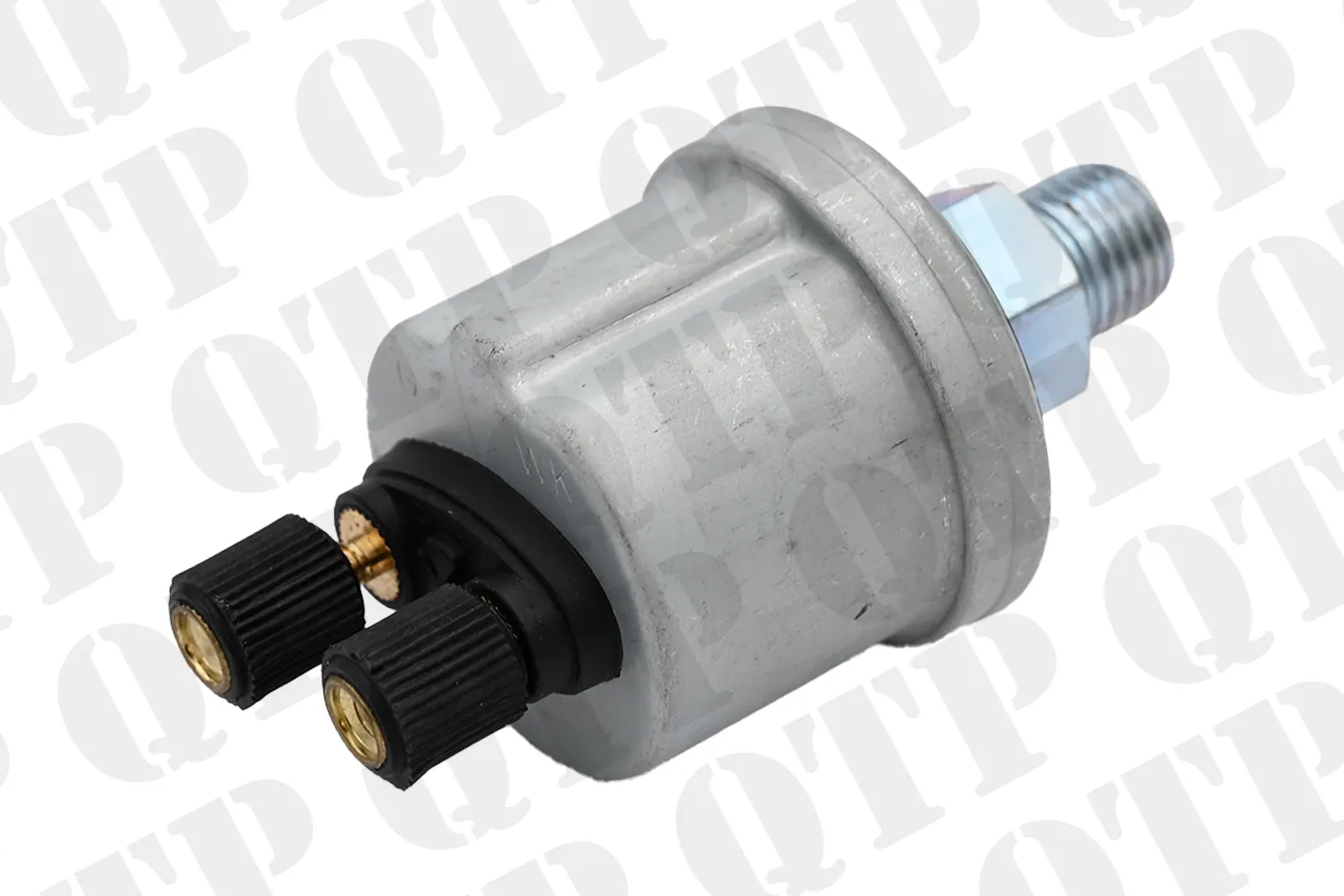
When you’re running PTO-powered equipment, accurate speed monitoring isn’t just nice to have—it’s essential. Modern implements are designed to operate within specific PTO speed ranges – too fast and you damage equipment or create poor results, too slow and you lose efficiency or plug up. This sensor is what tells your tractor’s computer exactly how fast that shaft is spinning, enabling features like automatic PTO management, implement protection, and precision application rates. Without it, you’re flying blind on PTO speed.
Key Features
- Electronic sensing technology that accurately reads shaft rotation even when covered in dust or operating in temperature extremes, providing steady, accurate readings your tractor’s computer can rely on
- Built to withstand the harsh PTO environment with robust construction that seals out moisture while maintaining precise electronic function despite weather, vibration, and debris
- Direct replacement part that restores critical speed monitoring capabilities across multiple European tractor brands
- Unlike mechanical tachs that wear out or bounce around, this electronic sensor provides consistent performance for automated functions
Built for Real Farm Work
This sensor is engineered for the diverse range of Same, Lamborghini, Deutz, and Hurlimann tractors working on farms across America. Whether you’re running a compact vineyard tractor or a high-horsepower row crop machine, this sensor provides the critical speed data that makes everything work together—from round balers that need exactly 540 RPM to sprayers with speed-dependent rates or ISOBUS implements.
Made to Last
Farm PTO systems face constant punishment from torque loads, shock, and the demanding duty cycles of agricultural work. This sensor features electronic components designed to handle extreme temperature swings and continuous vibration while maintaining the precision accuracy modern implements require for optimal performance.
Installation Notes
Installation typically requires 30-45 minutes, though access near the PTO shaft can be tight—having the right tools helps. Always disconnect the battery before starting to prevent electrical damage, and ensure the sensor is positioned correctly relative to the tone ring for accurate readings. After installation, verify operation through your display—you should see steady RPM readings that match your tachometer.
Reviews
There are no reviews yet.