
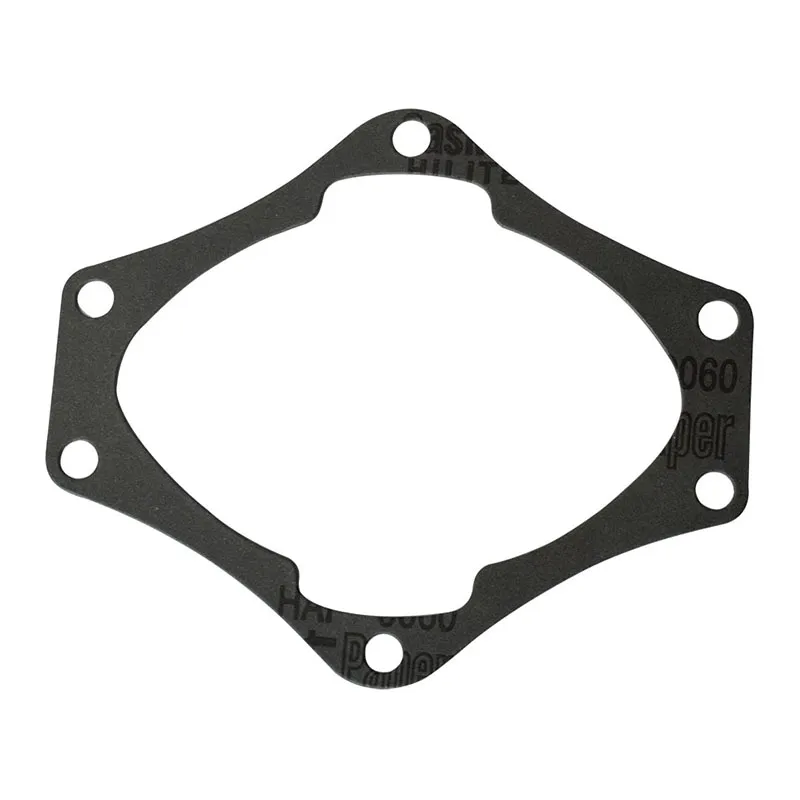
Description
If you’ve been noticing oil spots under your tractor or finding yourself checking the dipstick more often than usual, you might be dealing with a failing rear crankshaft gasket. This critical seal sits between your engine block and crankshaft, and when it starts leaking, you’ll know it – oil puddles, low oil levels that disappear mysteriously, and that nagging worry about what else might be getting damaged. Getting the right gasket installed keeps your engine oil where it belongs and prevents the kind of expensive damage that happens when lubrication runs low.
What You’re Getting
- Precision-cut gasket made from oil-resistant materials that handle temperature swings
- Direct replacement for the factory part – no modifications or adapters needed
- High-quality construction that maintains flexibility through countless heat cycles
- Proper sealing that prevents oil loss and keeps contaminants out of your engine
- Compatible with both diesel and gasoline versions of these classic engines
Built for Real Farm Work
This gasket fits the reliable Perkins engines that powered so many classic farm tractors – from the compact Massey Ferguson 35 that’s perfect for chores around the farmyard, up through the popular 65, 100, and 200 series machines that handle serious field work. These same engines also powered Ford tractors and various industrial applications where dependable power was essential. Whether your tractor is still earning its keep in daily farm operations or serves as trusty backup equipment, proper engine sealing is what keeps these workhorses running strong.
Made to Last
Crankshaft gaskets face some tough conditions – constant rotation, pressure changes, heat cycles, and exposure to engine oil that can break down inferior materials over time. This gasket uses quality sealing materials specifically designed for engine applications, maintaining its sealing properties even under the demanding conditions that farm engines face. Proper sealing prevents the oil loss that leads to engine damage while keeping dirt and moisture from contaminating your lubrication system.
Installation Notes
This is major engine work that typically requires splitting the tractor and significant disassembly, so it’s often done during engine overhauls or when other internal work is being performed. Clean all sealing surfaces thoroughly and check them for damage before installation. If you’re not comfortable with internal engine work, this job calls for an experienced mechanic – proper installation is critical for long-term reliability.
Reviews
There are no reviews yet.