
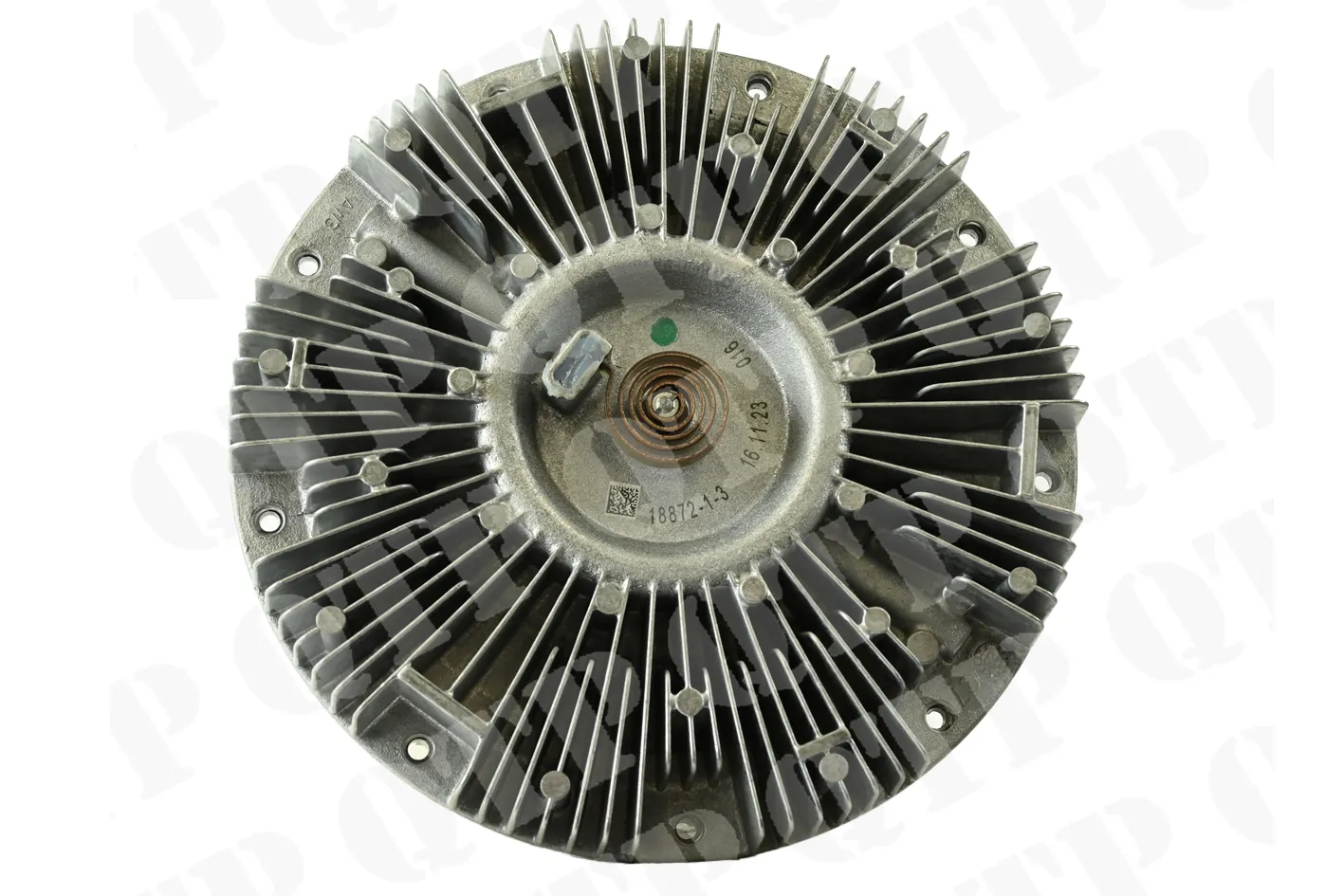
Description
When you’re pushing your Fendt hard through long days of heavy field work, the last thing you want is an engine that’s either overheating or wasting fuel with a fan that never shuts off. Your viscous fan clutch is the smart brain behind your cooling system—when it fails, you’ll either have a fan that roars constantly (stealing power and fuel) or one that won’t engage when you need it most. This replacement brings back that intelligent cooling control your Fendt was designed to have.
What You’re Getting
- Temperature-sensitive silicone fluid that automatically adjusts fan speed based on actual cooling needs
- Precision-engineered housing that maintains exact clearances for reliable operation
- Smooth, progressive engagement that prevents the shock loads that destroy fixed-drive systems
- Heavy-duty sealed construction that keeps contaminants out and fluid in for years of service
- Direct replacement that restores factory cooling performance without modifications
Built for High-Performance Work
These Fendt 900 Vario SCR S4 and Favorit COM I series tractors pack serious horsepower, and they’re built for demanding applications like heavy tillage, large-scale harvesting, and high-capacity field operations. Whether you’re pulling wide implements, running PTO equipment, or doing transport work, this viscous clutch ensures you get maximum cooling when working hard and maximum fuel efficiency during lighter loads.
Made to Last
The specially formulated silicone fluid inside responds predictably to temperature changes throughout the clutch’s service life. When your engine is cold, it allows the fan to slip and reduces power draw to almost nothing. As temperatures rise, it progressively engages to provide exactly the cooling needed—never more, never less. This can free up 10-15 horsepower during normal operation while ensuring your engine never overheats.
Installation Notes
Handle this unit carefully—never store it on its side or upside down, as the silicone fluid inside can migrate and affect performance. Check your fan blades for damage or imbalance before installation, and make sure your radiator is clean for proper airflow. After installation, the fan should spin freely when cold but gradually engage as the engine warms. You’ll hear the progressive engagement—that’s how you know it’s working right.
Reviews
There are no reviews yet.