
Description
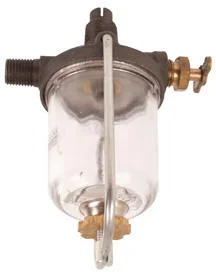
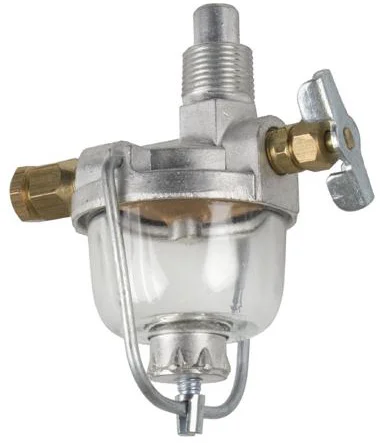
If you’ve got one of those classic John Deere two-cylinders from the 1930s through 1950s, you know clean fuel is critical for keeping those simple but reliable engines running. This sediment bowl assembly catches water, dirt, and debris before it gets to your carburetor, preventing the kind of fuel problems that can leave you stranded halfway through a job. When your old sediment bowl starts leaking or the glass is cracked, this replacement gets you back to work with the same reliable fuel filtering your tractor had from the factory.
What You’re Getting
- Complete assembly ready to install—no hunting for separate components
- Works with all fuel types, whether you’re running gasoline or distillate
- Heavy-duty construction that handles the vibration and weather exposure of field work
- Clear bowl design lets you see fuel quality and spot contamination at a glance
- Proper sealing prevents fuel leaks that waste money and create fire hazards
Built for Classic Farm Work
This assembly fits the workhorse tractors that built American agriculture—the unstyled and styled A, B, D, G, GP, and H series John Deeres, plus the Model 55 combine and W-WSP stationary engines. These machines handled everything from cultivating corn to powering threshing operations, and they’re still doing useful work on farms today. Whether you’re using your vintage Deere for parade duty or actual field work, reliable fuel delivery keeps these classics earning their keep.
Made to Last
TISCO builds this assembly to handle the demands of working tractors, with materials that resist fuel deterioration and seals that stay flexible through temperature changes. The bowl provides clear visibility for monitoring fuel condition, while the filtering action removes contaminants that could clog jets or damage fuel system components.
Good to Know
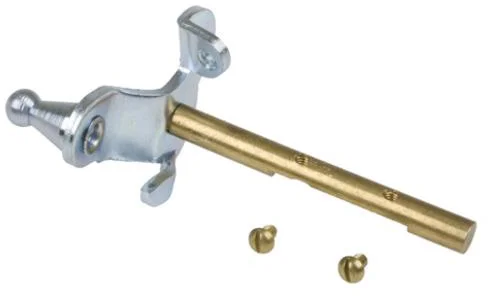
For tractors A, B, D, and GP, you’ll need the three-way valve (part TP-AD680R) to prevent leaking—that’s how these systems were designed to work properly. The assembly mounts in the same location as your original, using the existing fuel lines and mounting hardware. Check your fuel lines while you’re installing it, and replace any that are cracked or hardened.
Reviews
There are no reviews yet.